

the latest on
chalk talk

Leadership, sales performance, and the daily work of beating yesterday.



Featured posts
the latest posts
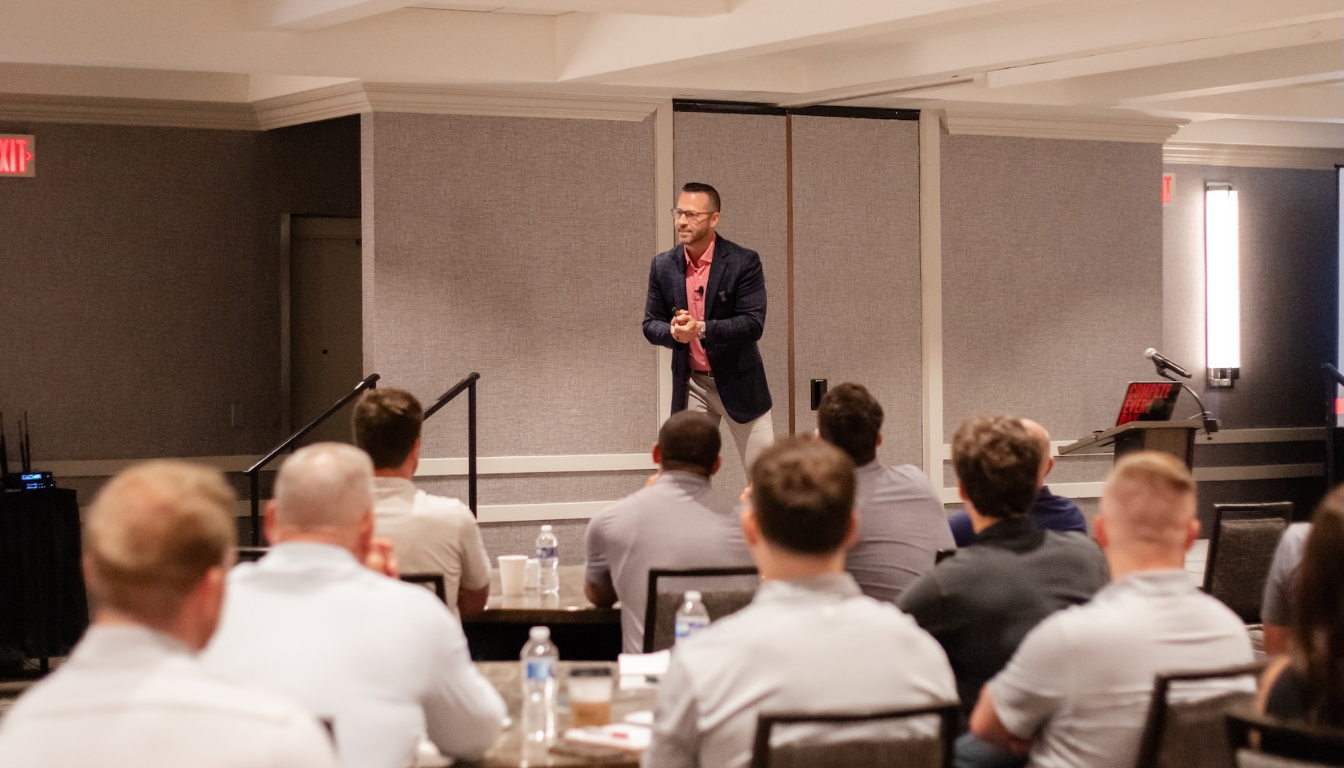
Busy Drift: Why Adding More to Your Plate Keeps Moving You Backward
I asked a sales team one question: what behaviors, done every week, would actually grow your number? Every person answered. Not one of them said calls. None of their answers were bad. They were secondary - and secondary work has a habit of eating the calendar the primary work used to own.

A Right Decision and a Wrong One Can Look Identical for About a Year
A right decision and a wrong decision can look identical in the moment. Jake peels back the curtain on the most pivotal decision in his career - and why it took over a year to realize he’d made the right one as a leader.

What to Do When the Scoreboard Goes Quiet: Leading Teams Through Post-Success Complacency
Your team just had their best year. And now something feels softer. This isn't a them problem — it's the Scoreboard Problem. What happens when external competition does all the motivational work and then disappears. The fix isn't a better contest. It's a competitive system that runs whether the scoreboard is lit up or not.

How to Build a High-Performance Sales Culture That Competes Without Burning Out
There's a version of high-performance culture that looks great on a conference stage and destroys teams in practice. The organizations that sustain it have built something different: a culture where people compete against their own previous best — not each other, not the leaderboard — and where that standard never gets comfortable.
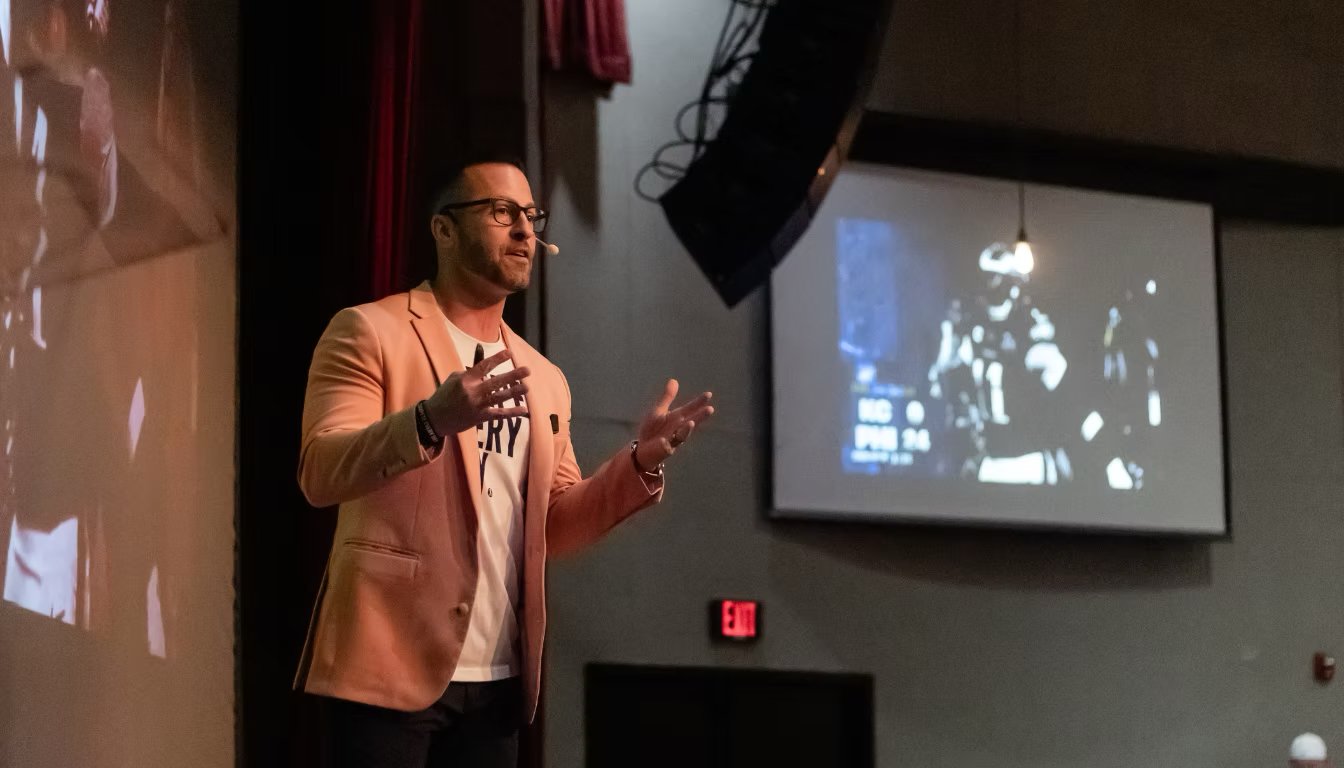
The Ego Gap: Why Your Best Leaders Think They're Better Than They Are (And Why It Matters)
The most expensive problem in high-performing organizations isn't underperformance. It's the gap between how good your leaders think they are and how good they actually are. When leaders win, honest feedback fades. Blind spots go unaddressed. And the ceiling quietly lowers — not from a crisis, but from comfort.

Why Motivation Fails Sales Teams (And What Actually Works Long-Term)
Every January, organizations invest heavily in motivation — kickoffs, trips, contests. Then February happens. Not because the team is bad, but because motivation was never built to last. If you want a sales team that competes in Q3 with the same discipline as Q1, you need something motivation can't provide: a system.

The Hidden Cost of Complacency in Sales Organizations (It's Not What You Think)
Most sales leaders assume their biggest competitive threat is external. After training 100,000+ leaders across 62 countries, I can say with confidence: that belief is costing them millions. The real threat is the quiet drift toward 'good enough' that happens inside — often among your best people — when external pressure drops.

Why Your Team Doesn't Care How Much You Know
I broke down crying over credit card debt. My wife thought I had cancer. The relief on her face when she realized it was "just" money was almost funny. That crisis taught me about small deposits—$17 into a vacation account doesn't feel like much, but it compounds. Your relationships work the same way. Small, consistent deposits build influence.
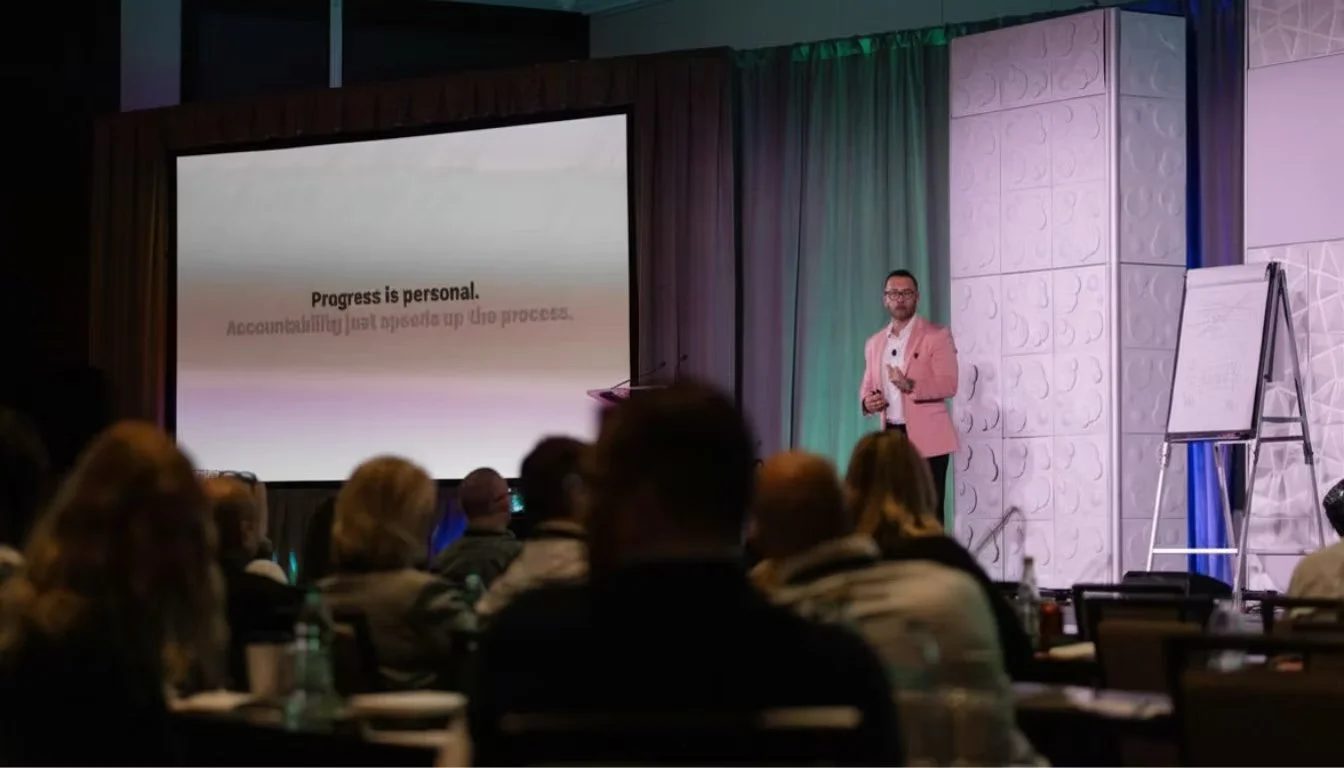
Why Your Top Sales Reps Hit Quota and Coast - And How to Stop It
Every sales leader has watched it happen. A rep crushes quota, wins the trip — next quarter is softer. Not dramatically worse. Just comfortable. That's not a motivation problem. It's a complacency problem. The C.O.M.P.E.T.E. Framework® gives sales leaders a system to fix it before comfortable becomes the new standard.

The Culture That Killed Performance Before It Started
Former NFL QB Alex Smith said great leaders accept failure—they understand it happens when people grow. But coaches who demanded perfection created the worst environments. Everyone played uptight, afraid of mistakes. I worked for a CEO like that. Pit in my stomach every day. Research shows fear kills performance. Psychological safety is the #1 predictor of team effectiveness.
A Question That Changed How Tony Xu Built DoorDash
Tony Xu knew the leader for a 4-person team is different from a 1,000-person company. He couldn't put in 10,000 hours to master everything. So he asked everyone: "Tell me who two great executives are—any field, any function." He studied excellence. Extracted patterns. Built a blueprint. Because everything rises and falls on leadership. If you're not growing, neither is your team.
The Choice Every Leader Faces When It's Not Their Turn
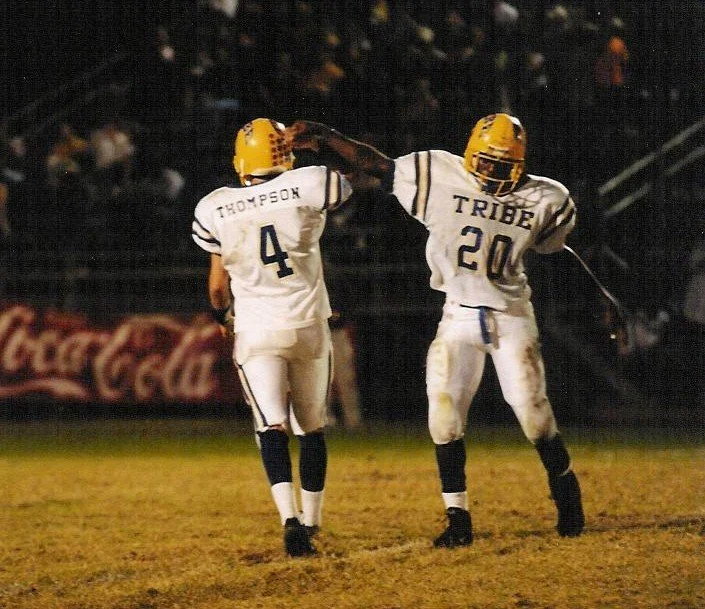
I sat on the sideline my senior year watching my backup QB light up the scoreboard. Instead of celebrating, I was calculating whether this concussion cost me my job. His success felt like a threat to my ego. You learn a lot about yourself on the bench. The real test isn't how you lead when winning—it's who you become when it's their season, not yours.

Why High-Performing Teams Stop Improving (And What Leaders Get Wrong About It)
High-performing teams don't plateau because they got lazy. They plateau because somewhere along the way — quietly, without anyone intending it — the environment made getting better feel dangerous. And once that signal lands, your most talented people do exactly what any rational person does in a system that punishes risk: they stop taking any.

14x More Inspired: The Leadership Practice Most Teams Skip in January
Your team crushed 2025. But if you're not helping them set personal development goals for 2026, you're setting them up to drift. Here's the research-backed leadership practice that keeps winning teams engaged.

How to Rewrite the Narratives That Are Sabotaging Your Success
I was at a bar the night before my keynote. A well-known industry member started asking questions—angling at whether I had the credibility to deliver. I joked about him doubting me. He laughed: "I never said that. That's the story you're telling yourself." He was right. Most limiting beliefs work this way - we don't even know we're telling them.
When Standards Slip: How Complacency Creeps Into High-Performance Cultures
Complacency doesn't announce itself, it creeps in through small, unnoticed behaviors until you realize your best people are looking elsewhere. Success breeds complacency faster than failure. Learn the 5 warning signs of cultural drift and the 3 actions you can take Monday morning to stop the decline before it becomes a crisis.

Pressure Doesn't Build Character, It Reveals It: How to Prepare for High-Stakes Moments
I flew to Houston convinced I was ready for my first corporate keynote. I wasn't. I nervously rambled, paced the stage, and choked under pressure. Years later, a coach asked me a simple question that changed everything: "Would you step into a game without practicing?" The difference between choking and clutch isn't talent—it's your choice to prepare like pressure is coming.

Why Treating Everyone the Same Is Actually Hurting Your Team
My wife came home frustrated. Her team member was struggling, and when I asked how she handled it, she said: "I did nothing." She'd learned this employee just needed to vent—not solutions. But a different person on her team? They'd spiral with that approach. Same respect. Different coaching. That's real leadership. Fair doesn't mean identical.

The Silent Culture Killer (And How to Fix It)
Most leadership conflict isn't about effort or ability - it's about expectations you never communicated. A Gallup study found only 41% of employees know what's expected of them. That means 60% of your team is guessing what you want every day. Here's the 3-step system to fix it before unclear expectations destroy your culture.

The Hidden Reason Leaders Burn Out (It's Not Workload)
I was 35,000 feet above Denver when I realized I was being an idiot. I'd spent an hour beating myself up for not having something I didn't even want. Most leaders burn out not because they work too hard, but because they're working toward someone else's definition of success. Competition begins with clarity: What game are you actually playing? Here's how to stop competing in arenas you never chose and start winning games that actually matter to you.


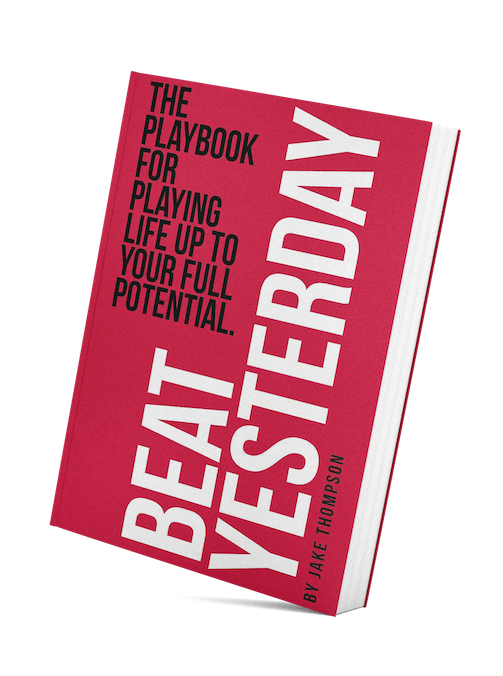

Unlock the Playbook
The first framework built for competitive people trapped in a comparison-obsessed world.
Beat Yesterday is a system, not just personal development motivation. My first book shares a proven daily framework for winning the one game you actually control: you against the person you were yesterday.
Read it once, and you'll have a process to quit keeping score against everyone else. You start beating the only opponent who shows up every single day - you.

The Two-Minute Drill

One framework. One challenge. One question. Every Tuesday to help you compete every day.