How to Build a High-Performance Sales Culture That Competes Without Burning Out
There's a version of high-performance culture that looks great on a conference stage and destroys teams in practice. It's the one built on relentless external pressure, manufactured urgency, and the implicit message that if you're not producing at maximum capacity every hour of every day, you're falling behind.
That version produces a strong quarter or two and a talent attrition problem. The organizations that chase it the hardest often find themselves rebuilding from scratch every two to three years as their best people exit to find somewhere they can actually grow — not just grind.
The organizations that sustain excellence — truly sustain it, year after year, through market cycles and leadership changes and post-success drift — have built something different. They've built a culture that competes without burning out. And there's a specific architecture to how they do it.
First: Understand What You're Actually Building Against
Most organizations that invest in culture work are fighting one of two problems — and confusing them leads to the wrong solution.
The first problem is underperformance: a team that's not meeting standards, lacks urgency, or hasn't internalized the competitive expectations of the organization. This is typically addressed with accountability structures, performance management, and clearer expectations.
The second problem — and the one I spend most of my time addressing — is post-success complacency: a team that has already won, that is performing at a level that looks acceptable on the surface, but has quietly stopped raising the bar. This team isn't burning out. They're coasting. And coasting cultures don't just underperform — they repel the best talent.
The irony is that the burnout risk in most high-performing organizations isn't from too much competitive pressure. It's from the wrong kind of competitive pressure — specifically, external comparison-based competition that creates either winner's stagnation (why push harder when I've already lapped the field?) or loser's demoralization (why try when I can't close the gap?).
Building a culture that competes without burning out requires replacing external, comparison-based competition with internal, improvement-based competition. This isn't a semantics game — it's a structural shift that changes who people compete against and why.
The Architecture of a Culture That Sustains Excellence
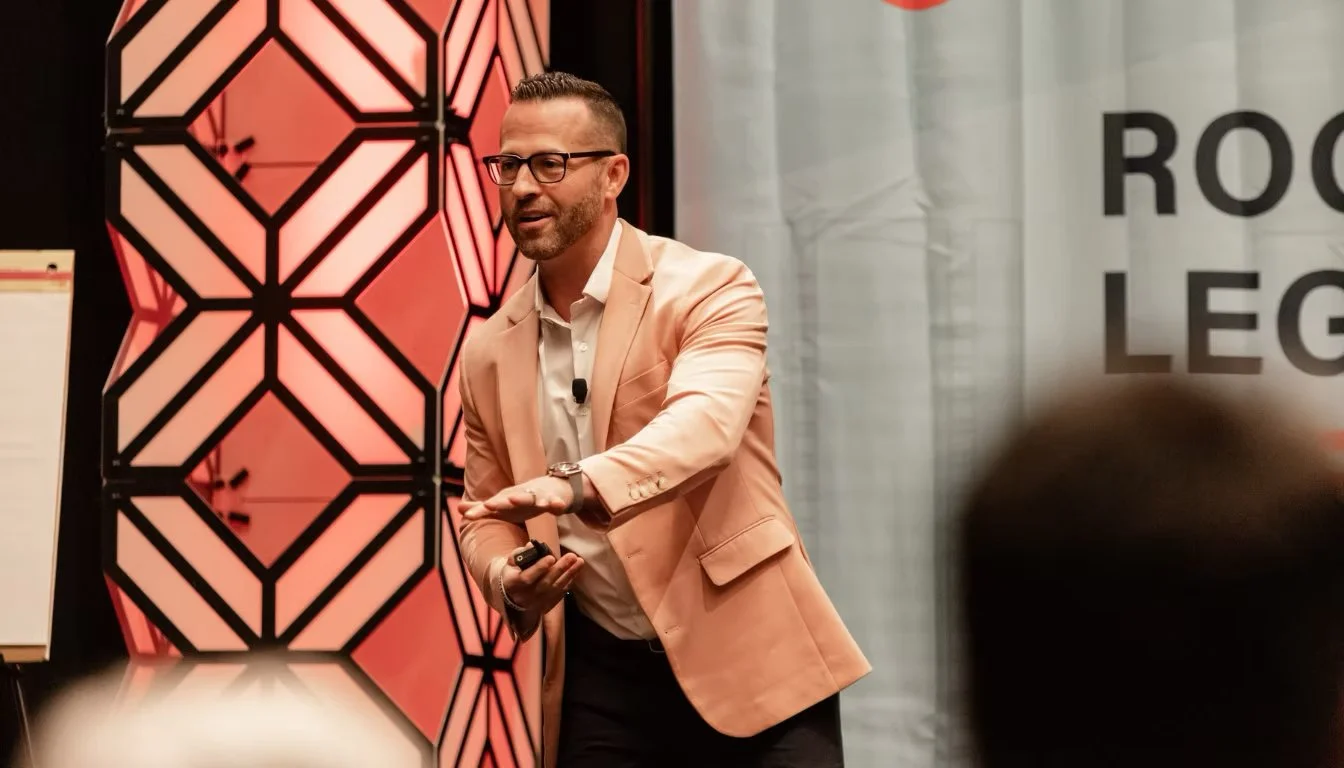
Across 500+ keynotes delivered to sales teams, construction leadership groups, associations, and corporate leadership summits, I've observed the same structural elements in organizations that sustain high performance without burning people out:
They define competition internally, not externally.
External competition (rankings, leaderboards, peer comparison) stops working once your best people lap the field — and it burns out the middle before they ever get there.
The most durable competitive cultures are built on You vs. You competition: the daily commitment to outperform yesterday's version of yourself. This means the scoreboard is never quiet, because every person's personal record is always achievable and always worth chasing.
They invest in their best people, not just their struggling ones.
Most culture and development resources flow toward underperformers — for obvious reasons. But complacency almost always takes root at the top, not the bottom. Your best people need coaching, challenge, and growth opportunities more than your average performers do, because they're the ones who have already satisfied every external motivator and need internal challenges to stay engaged.
They make standards visible and specific.
Vague expectations produce vague performance. Cultures that sustain excellence have specific, observable standards — not just outcomes like quota attainment, but behaviors: prospecting activity, coaching conversation frequency, skill development commitments. When the standard is clear, people can compete against it. When it's fuzzy, they find their own comfortable floor.
They build accountability into relationships, not just systems.
Software doesn't create accountability — relationships do. The most effective accountability structure I've seen in high-performing organizations is the peer accountability relationship: two people who have committed to each other's growth, who ask the hard questions without a manager being in the room, who celebrate each other's personal records and call out each other's drift. This is one of the structural elements of the C.O.M.P.E.T.E. Framework® I teach — specifically the 'Environment' component.
The Burnout Misconception Worth Addressing Directly
There's a common assumption that high-performance expectations and employee well-being are in tension — that you have to choose one or the other. That assumption is wrong, and it's worth being direct about it.
Burnout in high-performing organizations rarely comes from asking too much of people. It almost always comes from one of three sources: asking people to perform without giving them the systems to sustain performance; creating competition that makes people feel like they're never enough regardless of what they achieve; or the reverse — never challenging your best people and leaving them to drift in the comfort of good enough.
The well-being play and the performance play are the same play when they're built correctly. People who are growing, who feel challenged in ways that are meaningful, who have personal records to chase and a team that holds them accountable — those people don't burn out. They compete. The difference is that they're competing toward something internal rather than running from something external.
Practical Starting Points for Leadership Teams
If you're building or rebuilding the culture architecture of a sales organization, here's where the highest-leverage work lives:
Audit where your best people are being challenged. Not managed — challenged. Are they getting coaching conversations that push their thinking? Are they being given stretch opportunities? Are they surrounded by people who raise their standard? If your top performers are primarily being left alone because they're hitting their number, that's a complacency accelerator, not a reward.
Add a 'Beat Yesterday' metric to every performance conversation. Alongside quota attainment, track improvement against personal bests. What's the best conversion rate this person has ever produced? Are they competing against it? This single addition to your 1:1 structure shifts the competitive frame in a meaningful way.
Build peer accountability into the culture intentionally. Don't leave it to chance. Structure accountability relationships between high performers — two people with similar growth goals who commit to weekly check-ins on their stated standards. Managed well, this eliminates the performance isolation that top performers experience when everyone else is behind them on the board.
Jake Thompson is a keynote speaker on high-performance culture and anti-complacency training who helps sales-led organizations, construction firms, and associations build cultures that compete every day — without burning out. As a CSP® with 500+ keynotes, Jake delivers frameworks like the C.O.M.P.E.T.E. Framework® and Beat Yesterday® methodology that create lasting behavior change long after the keynote ends. Learn more at JakeAThompson.com.